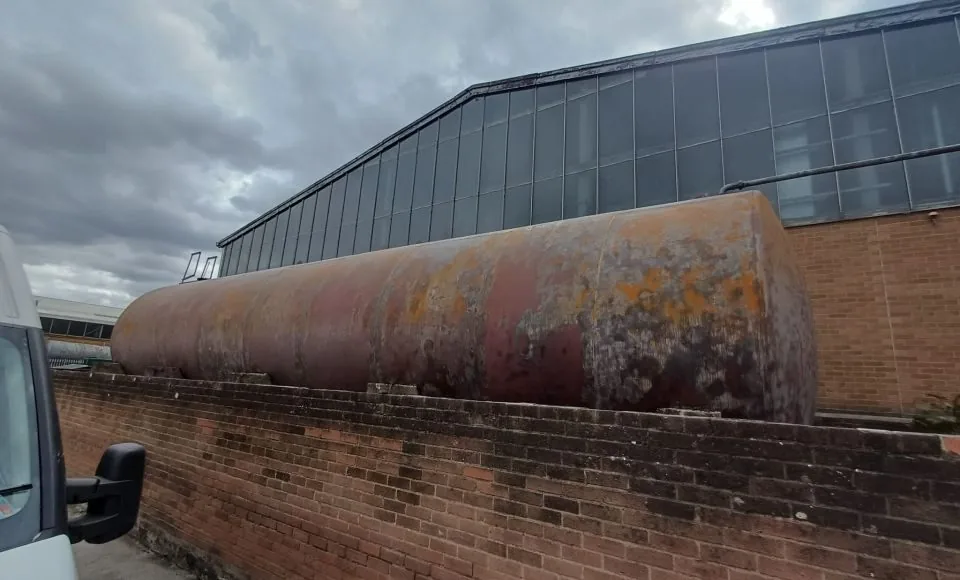
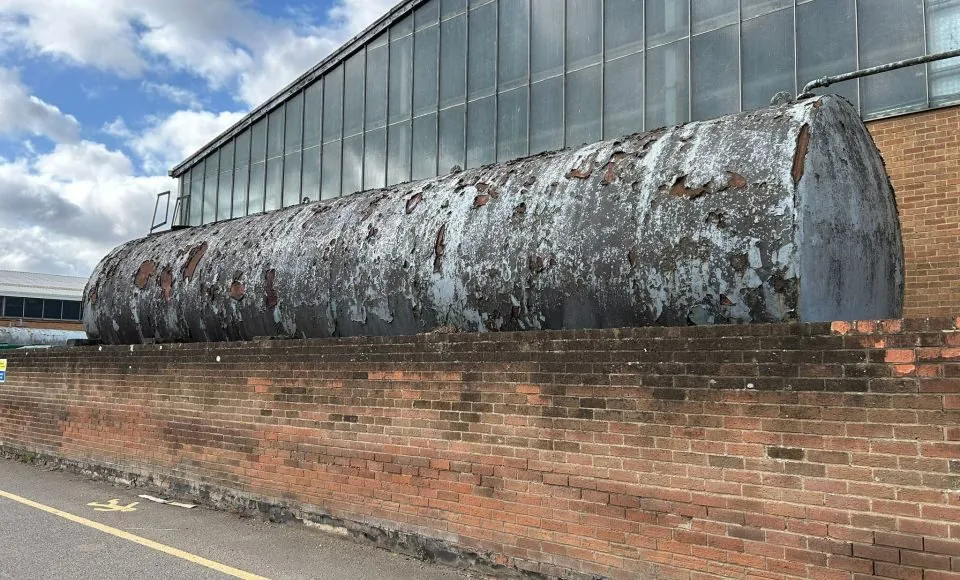
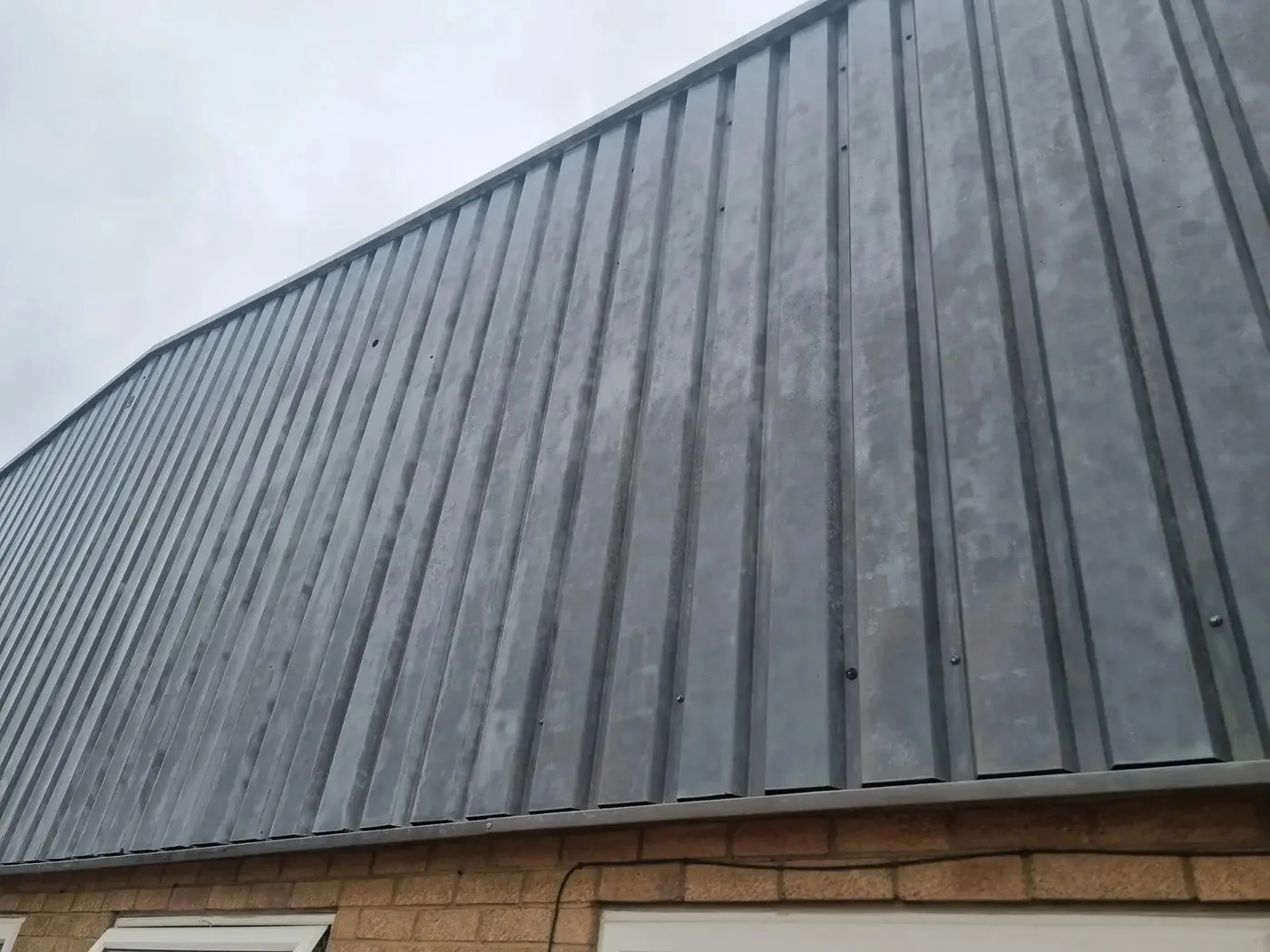
Controlled surface restoration of a heavily weathered industrial steel tank. Birmingham Sandblasting removed corrosion, loose legacy paint and accumulated surface contamination with a measured preparation process, leaving the tank clean, consistent and ready for its next protective coating system.
Premier Blasting group work — exact site location not published
Move the divider across the original documented images to compare the condition before preparation with the completed restoration.
BeforeAfter‹›Drag to compare
What was needed
How the surface was prepared.
The work focused on the tank's exposed steel surfaces, addressing extensive rusting, peeling paint and long-term environmental wear. Preparation was carried out progressively and with care to clean the substrate without unnecessarily abrading sound metal, producing an even finish suitable for inspection, priming and repainting.
Planning something similar?
Send a photo of your surface and tell us what you want to achieve.
Tell us what looks similar, what is different and the finish you have in mind. Photos, approximate dimensions and access notes are the most useful place to begin.
Related projects
Explore more work on similar surfaces.
More documented steel surfaces, selected first for matching materials and then for the closest service or project category.
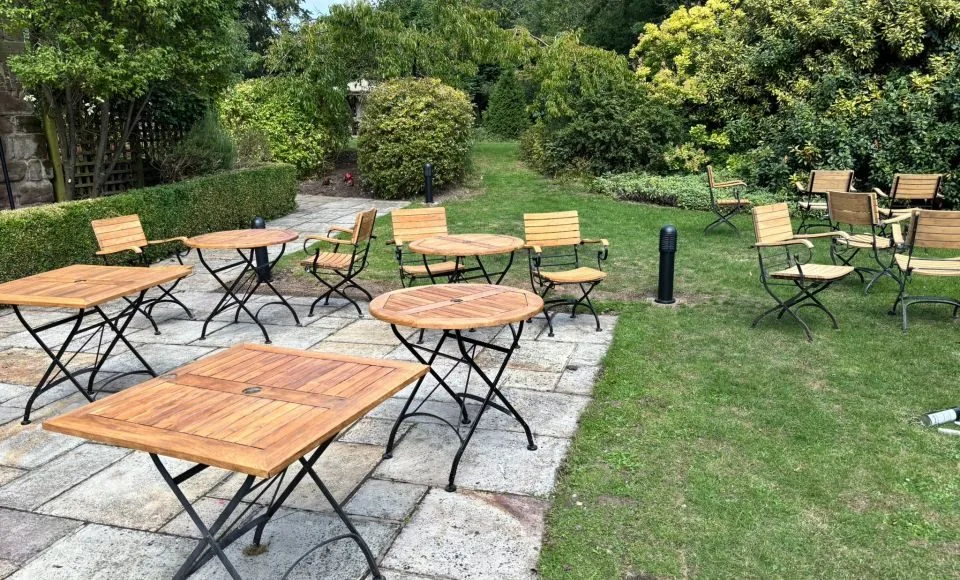
A commercial outdoor furniture refresh that brought tired tables and chairs back into a clean, presentable condition for customer-facing social areas. Birmingham Sandblasting used a controlled, gentle surface-restoration approach to lift weathering, grime and failing finish while preserving the underlying metal for its next protective coating.
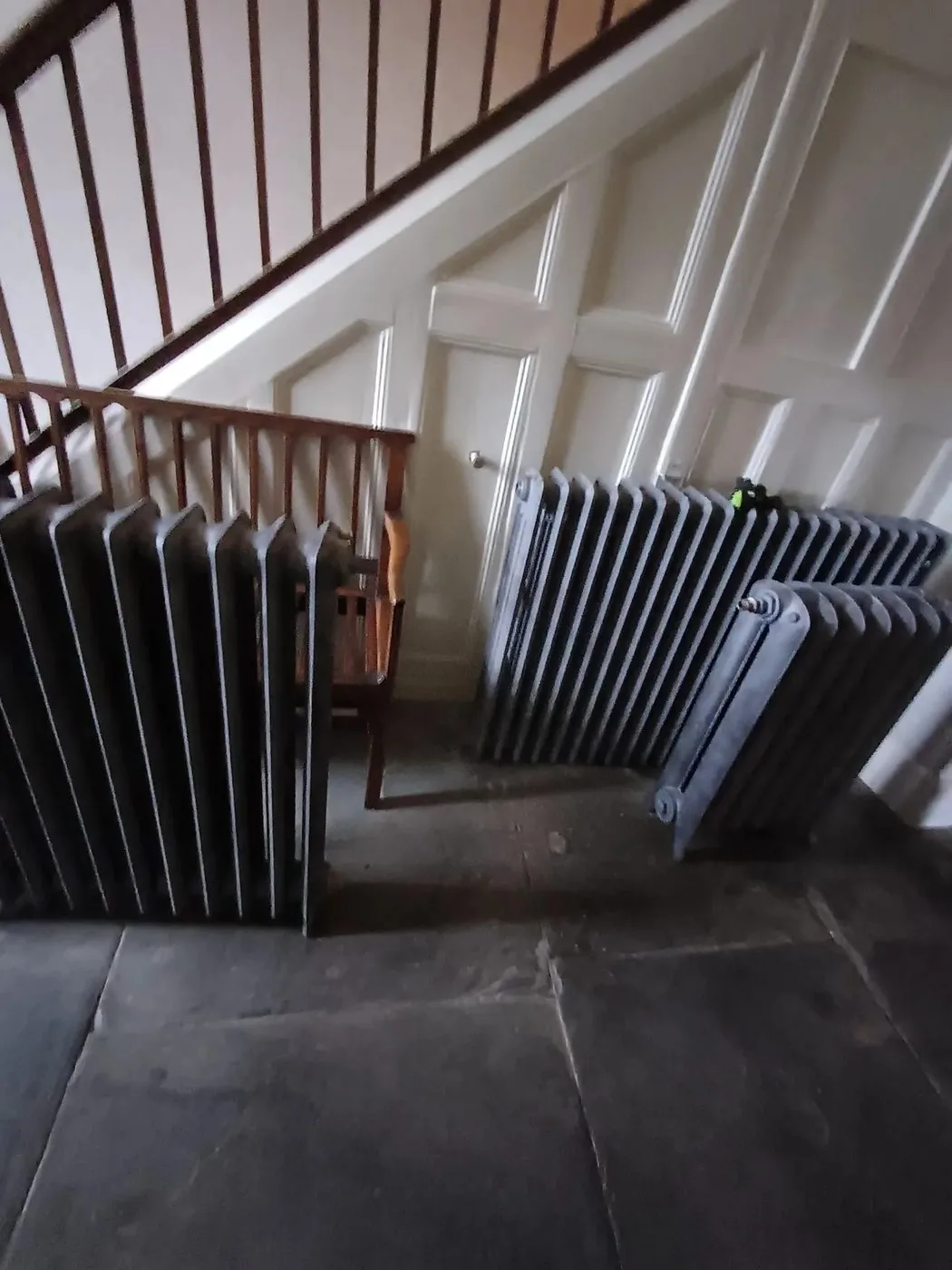
A heritage cast iron radiator was carefully brought back to a clean, characterful finish for a commercial property. Birmingham Sandblasting used a controlled, gentle restoration process to lift tired paint and surface rust while respecting the radiator's original detailing, leaving the metal ready for a suitable protective finish.
A controlled restoration of factory cladding, removing tired plastisol and layered paint build-up to give the panels a clean, consistent surface ready for their next protective finish. The approach prioritised measured, gentle surface preparation to refresh the metal without unnecessarily attacking the underlying panels.