
Solihull & south-east Birmingham

Sandblasting and surface restoration in SolihullSandblasting and surface restoration in Solihull

Solihull combines a commercially active town centre with surrounding residential streets and buildings whose age, construction and finishes can vary considerably. Birmingham Sandblasting approaches each enquiry as careful surface restoration: first identify the substrate, coatings, condition and access constraints, then test a discreet area before agreeing a proportionate cleaning or preparation method.

Call 07970 566 409
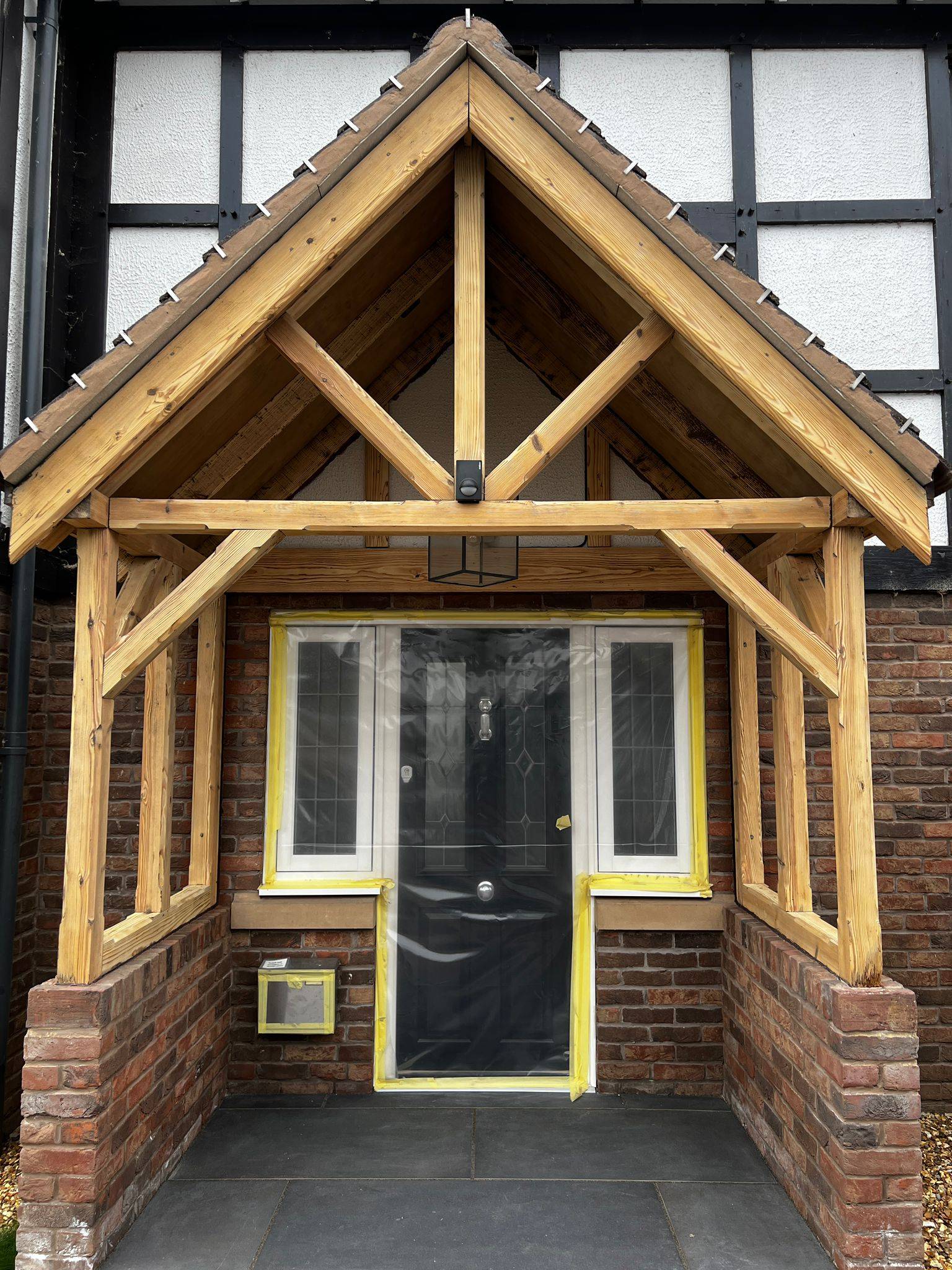
Restored timber porch from the Birmingham Sandblasting project library
Illustrative Birmingham project archive imagery

Before you book

What to consider before cleaning.

Solihull town centre is described by the council as the borough’s commercial and core area, with shopping centres, civic and cultural facilities, the hospital, offices and transport hubs including the railway station. That mix can make pedestrian interfaces, delivery arrangements, shared entrances and working hours important parts of a site survey.

The council’s St Alphege profile, centred on Solihull town centre, reports 86% of households living in houses and 13% in flats; detached homes account for 65% of households. This supports a varied residential audience, but does not predict the construction or condition of an individual property.

The council’s transport strategy notes that Solihull’s larger and local centres differ in scale and character, and identifies access, parking, congestion and movement of people and goods as practical issues. Any commercial or managed-property enquiry should be scoped around the actual frontage, loading, parking and public-realm conditions.

Choose the right method

Sandblasting and cleaning in Solihull

Commercial relevance is supported by the council’s description of Solihull town centre as the borough’s commercial/core area, with retail, offices, public buildings, hospital and transport hubs, plus its discussion of efficient movement of people and goods. The recommended services reflect documented timber framing, traditional brick, historic tiled buildings and ironwork, but each remains subject to inspection, testing and an agreed finish. This does not claim contracts, past local work, a depot, fixed response times or automatic availability.

Access and local checks

Solihull Council says the borough has 20 conservation areas and that greater regulation can apply there, including detailed applications, restricted permitted development rights and possible Article 4 controls. Its listed-building guidance says alterations such as external painting or cladding, repairs using unsympathetic materials, window changes and work to outbuildings may require Listed Building Consent. Owners or managers should check the council’s heritage map and planning advice where relevant; Birmingham Sandblasting should not imply that consent is automatic or can be secured on the customer’s behalf. On town-centre or commercial sites, also confirm opening hours, pedestrian protection, delivery/loading space, parking, dust and noise containment, waste handling and building-management requirements.

Check permissions, listed status, site rules and environmental requirements before exterior work starts.

Start with the basics

What to send us.

  • Confirm whether the surface is brick, timber, stone, render, painted metal or a composite, and record existing coatings, repairs, damp and fragile joints.
  • Check the council’s conservation and heritage information if the property is listed, locally listed, in a conservation area or affected by an Article 4 Direction; establish the customer’s consent position before work.
  • Review access, parking, loading, pedestrian routes, shared entrances, neighbours and working hours, especially for town-centre or managed premises.
  • Protect glazing, ironwork, landscaping, signage and surrounding finishes; plan dust, noise, debris and waste controls before starting.
  • Agree a discreet test area and finish, then use the least aggressive practical method rather than assuming blasting is suitable everywhere.
Approximate area centreSolihull

Local questions

Questions about sandblasting in Solihull.

Can every Solihull brick or historic surface be sandblasted?+

No. Brick, timber, stone, render and coated metal vary in hardness, porosity, weathering and repair history. We would inspect the surface and test a discreet area first; a gentler approach may be more appropriate.

Do Solihull conservation-area or listed-building rules affect cleaning work?+

They can. Solihull Council says conservation areas have additional controls and that many listed-building alterations require consent. Check the council’s heritage map and planning advice for the specific property before work; requirements depend on the building and proposal.

What should a commercial Solihull site prepare before an assessment?+

Provide details of access, loading or parking, opening hours, pedestrian and neighbour interfaces, dust/noise restrictions, waste arrangements and any building-management rules. These details help define a safe, workable scope without assuming that a standard method or access route will suit the site.

Call